Meet the Atlantic Bottlenose Dolphins of Calibogue Sound
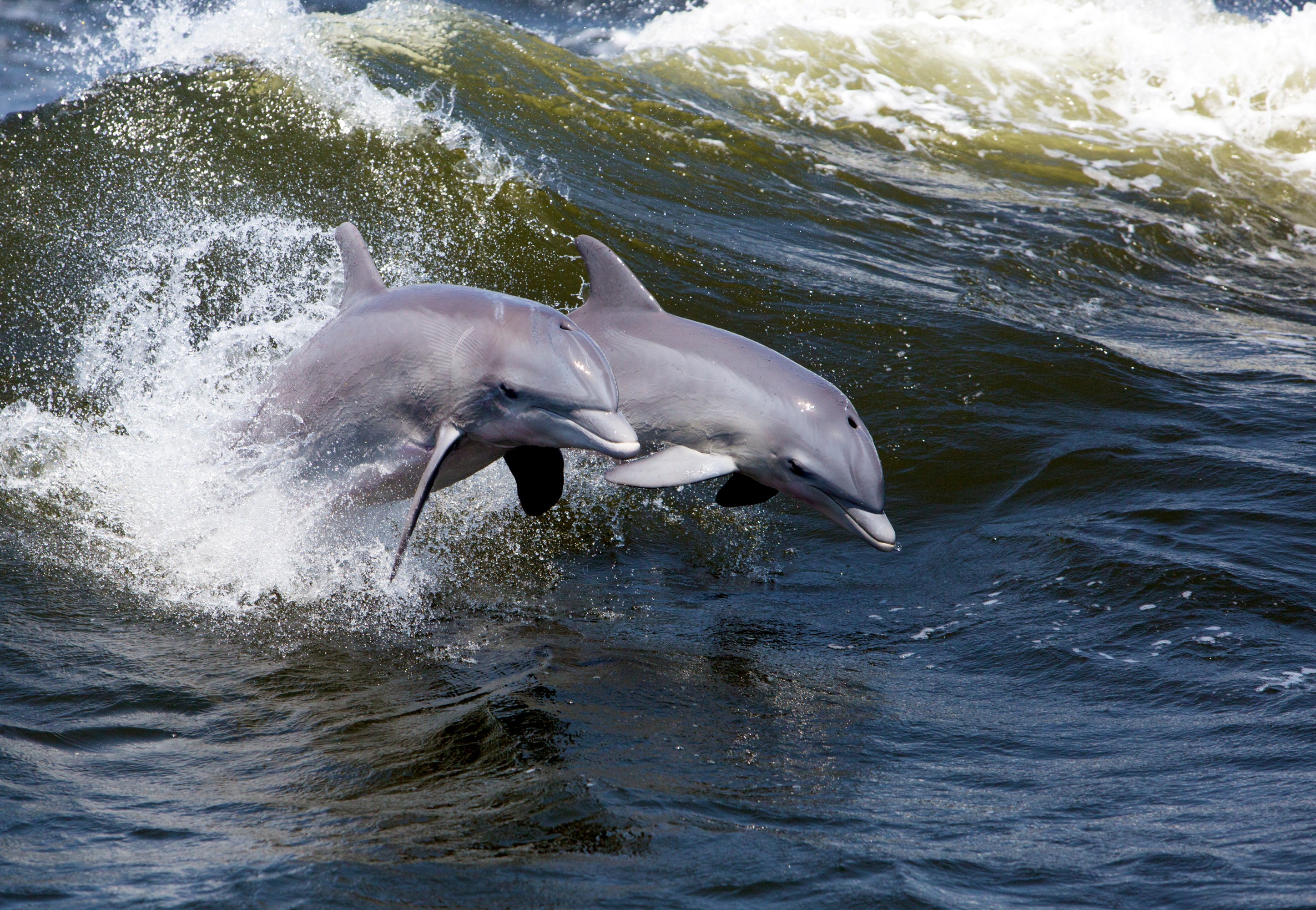
There are few wildlife encounters as unforgettable as watching a wild Atlantic bottlenose dolphin emerge gracefully from the sparkling waters of Calibogue Sound. Whether you’re cruising between Hilton Head Island and Daufuskie Island, exploring the tidal creeks of Broad Creek, or relaxing along the shoreline at Harbour Town, seeing these intelligent marine mammals in their natural habitat is often the highlight of any visit to the Lowcountry.
Unlike many coastal destinations where dolphin sightings are occasional, Hilton Head Island is home to a year-round resident population of Atlantic bottlenose dolphins. These remarkable animals have adapted to the island’s extensive network of tidal creeks, salt marshes, rivers, and estuaries, making Calibogue Sound one of the premier places on the East Coast to observe wild dolphins throughout the year.
A Home Built by the Tides
Calibogue Sound stretches between Hilton Head Island and Daufuskie Island, forming the heart of one of the Southeast’s richest estuarine ecosystems. Fed by the Atlantic Ocean and nourished by miles of pristine salt marshes, the Sound provides everything bottlenose dolphins need to thrive.
The estuary is rich with baitfish such as mullet, menhaden, croaker, and spot. Protected tidal creeks provide safe nursery areas where mothers raise their calves, while shallow waters make hunting highly efficient. Beneath the surface, healthy oyster reefs and marsh grasses create an incredibly productive ecosystem that supports hundreds of species.
Perhaps the most important force shaping this environment is the tide. Every six hours, millions of gallons of seawater flow into and out of the marshes. These tides redistribute nutrients, concentrate fish, and influence where dolphins feed. Experienced captains can often predict where dolphins will appear simply by understanding the movement of the water.
The relationship between the tides and dolphins is one of nature’s perfect partnerships. As the tide falls, fish are funneled from the marshes into narrow creeks and channels, creating ideal feeding opportunities. As the tide rises again, the marsh floods with life, providing new areas for fish, shrimp, and crabs to forage. Dolphins have learned these rhythms over generations, making them masters of this constantly changing environment.
The Dolphins That Call Hilton Head Home
Many of the dolphins seen around Hilton Head Island are permanent residents rather than seasonal visitors. Marine biologists have documented individual dolphins returning to the same home waters year after year, often spending their entire lives within Calibogue Sound and its surrounding creeks.
Researchers identify dolphins by photographing their dorsal fins. Every fin carries a unique combination of nicks, scars, and markings, allowing scientists to recognize individual animals much like fingerprints identify people. Long-term studies have revealed fascinating family relationships, social bonds, and movement patterns that span generations.
These resident dolphins are one of Hilton Head’s greatest natural treasures and one of the reasons visitors enjoy such reliable sightings throughout the year.
Masters of the Hunt
One of the most remarkable behaviors observed in Hilton Head’s waters is strand feeding.
Working together with incredible precision, a pod of dolphins herds fish toward muddy banks during an outgoing tide. At exactly the right moment, they surge partially onto the shoreline, trapping fish before sliding safely back into deeper water.
This rare hunting technique occurs in only a handful of places worldwide, making Calibogue Sound one of the best locations on Earth to witness this extraordinary behavior.
Dolphins also use echolocation to locate prey. By producing rapid clicking sounds and interpreting the returning echoes, they can detect fish even in the Lowcountry’s often murky waters. Their natural sonar allows them to navigate, communicate, avoid obstacles, and hunt with astonishing accuracy.
Highly Intelligent and Social
Atlantic bottlenose dolphins are among the world’s most intelligent mammals.
They communicate through signature whistles unique to each individual, echolocation clicks, body language, tail slaps, and cooperative behaviors. Pods may consist of mothers and calves, small family groups, or temporary gatherings that form when food is abundant.
Mother dolphins invest years in raising their young. Calves remain close to their mothers while learning where to feed, how to navigate tidal currents, recognize danger, and interact with other dolphins. These early years are critical for survival, and the sheltered waters surrounding Hilton Head provide an ideal environment for young dolphins to grow.
Why Dolphins Thrive Around Hilton Head
Hilton Head’s mild climate allows dolphins to remain here throughout the year.
Unlike dolphins in colder regions that migrate seasonally, many of Hilton Head’s residents spend their entire lives in these waters. Extensive marshes, productive oyster reefs, abundant fish populations, and protected waterways provide ideal conditions for a healthy dolphin population.
The health of these dolphins depends on the health of the marsh ecosystem. Oyster reefs naturally filter the water, marsh grasses stabilize shorelines, and tidal creeks support countless species that form the foundation of the food chain. Protecting these habitats ensures dolphins continue to thrive for generations to come.
The Best Time to See Dolphins
Visitors often ask, “When is the best time to see dolphins?”
The answer is simple—every season.
Because resident dolphins remain in the area year-round, sightings are common during every month. Weather, tidal movement, and feeding activity influence where dolphins are found, making every trip unique.
Excellent viewing locations include Calibogue Sound, Broad Creek, Skull Creek, Shelter Cove, Harbour Town Marina, and the waters surrounding Daufuskie Island. Morning cruises often offer calm water and beautiful light, while afternoon excursions frequently showcase dolphins actively feeding as the tides change.
Responsible Dolphin Watching
Watching dolphins in the wild is a privilege that comes with responsibility.
Federal law protects all marine mammals, and visitors should always observe dolphins from a respectful distance, never feed or attempt to touch them, allow them to approach boats naturally, and support operators committed to responsible wildlife viewing.
These simple practices help preserve one of Hilton Head’s most beloved natural resources while ensuring future generations can experience the same incredible encounters.
A Signature Experience of Hilton Head Island
For many visitors, their first glimpse of a bottlenose dolphin becomes the defining memory of their Hilton Head vacation.
One of the very best ways to experience these incredible animals is aboard a Vagabond Cruise Ocean Dolphin Cruise. Departing from Harbour Town Yacht Basin, these narrated cruises take guests into the heart of Calibogue Sound, where experienced captains understand the tides, feeding patterns, and habitats of Hilton Head’s resident dolphins.
As the cruise travels through the calm waters of the Sound, guests often enjoy spectacular views of Hilton Head Island, Daufuskie Island, historic lighthouses, and expansive salt marshes while watching Atlantic bottlenose dolphins swim, feed, and play in their natural environment. Along the way, knowledgeable naturalists share fascinating stories about dolphin behavior, Lowcountry ecology, local history, and the remarkable tidal ecosystem that makes this region so unique.
In addition to dolphins, passengers frequently spot brown pelicans, ospreys, bald eagles, egrets, herons, and other coastal wildlife, making every cruise a memorable nature experience. Whether you’re traveling with family, celebrating a special occasion, or simply looking to appreciate the beauty of the Lowcountry from the water, an Ocean Dolphin Cruise offers an unforgettable perspective that can’t be experienced from shore.
The Atlantic bottlenose dolphins of Calibogue Sound are more than just a popular attraction—they are living ambassadors for one of the East Coast’s most extraordinary ecosystems. If you spend time on the water around Hilton Head Island, keep your eyes on the horizon. Before long, you’ll likely spot the unmistakable curved dorsal fin of one of the island’s beloved year-round residents, creating a memory that will stay with you long after your vacation ends.

Keith Walston
CEO, Owner, Captains
I have lived and worked and raised a family here on Hilton Head Island for the past thirty-six years. My favorite thing about Hilton Head Island is the unique and carefully crafted relationship between preserving and protecting the island’s beauty and creating access to spaces and opportunities for our visitors and residents to stay, play, and dine. Hilton Head Island is unlike any other beach community; you have to visit to understand it.
My fun fact and hobby – I am a serial entrepreneur who loves building great teams and businesses. I also enjoy hunting, fishing, boating, and travel. When I’m not at work, which is my passion, I can be found on the water, in the woods, or strolling through the streets of some beach town in the Caribbean or European city with my wife of thirty-four years and business partner, Laura.